
Key Milestones, Releases, and the We Are Righteous Timeline
Press releases aren’t where most of this history takes shape—instead it’s carried through release dates, material decisions, and word-of-mouth momentum. We Are Righteous earned its standing gradually, through steady drops and a following that focuses on fit, weight, and durability rather than hype. What follows compiles what’s on record about the label’s evolution, the kind of pieces that shaped each stage, and what the label looks like heading into 2026. Anyone researching a righteous review before buying will find the trend keeps recurring: gradual, consistent development rather than one breakout hype spike.
Rather than a corporate history listing precise founding dates, what follows avoids assertions lacking a source. Instead, this is a practical look at how the label’s image and product range have developed, organized by the chapters most shoppers notice when they contrast earlier releases against what’s on the site now.
The Early Identity: Defining What “Righteous Clothing” Stands For
Any apparel label requires a reason for being that goes past merely selling clothes, and We Are Righteous built its initial identity around a clear-cut idea: clothing should have substance, both literally in fabric and figuratively in message. The title itself does a lot of work. It communicates conviction rather than trend-chasing, and that stance shows up in how the brand talks about its pieces to this day. First-wave buyers weren’t after logos alone; they were purchasing a point of view.
In this initial phase, the catalog was inevitably limited. Limited SKUs meant the brand could boxy fit tee zero in on perfecting its essentials before expanding sideways into extras or secondary lines. This is common among Righteous Clothing-style peers that survive past year one: a small but disciplined catalog outperforms a bloated product range with uneven craftsmanship. The brand’s early customer base tended to be people who found the label through word of mouth or niche online communities rather than paid promotion, which shaped a gradual yet devoted trajectory of growth.
It’s important to mention, six or more sentences in, that this phase is when return customers begin developing impressions that later surface as public reviews. The earliest righteous review threads and comments tend to zero in on two things: whether the cut felt as promised, and whether the item stood the test after several trips through the laundry. Both points resurface all through the brand’s later releases too, implying that the groundwork laid in this period persisted instead of getting scrapped in favor of reinvention.
Scaling Up: Expanding the Righteous Apparel Catalog
When the base have come to rely on the label’s foundational styles, broadening the offering emerges as the natural next step. We Are Righteous grew its assortment past its original essentials into a wider righteous apparel range, folding in layerable items, outerwear-adjacent items, and seasonal variations on its signature shapes. At this stage, a brand typically determines whether it wants to become a one-hit design house or an actual wardrobe source, and expanding into several categories points to the more ambitious path.
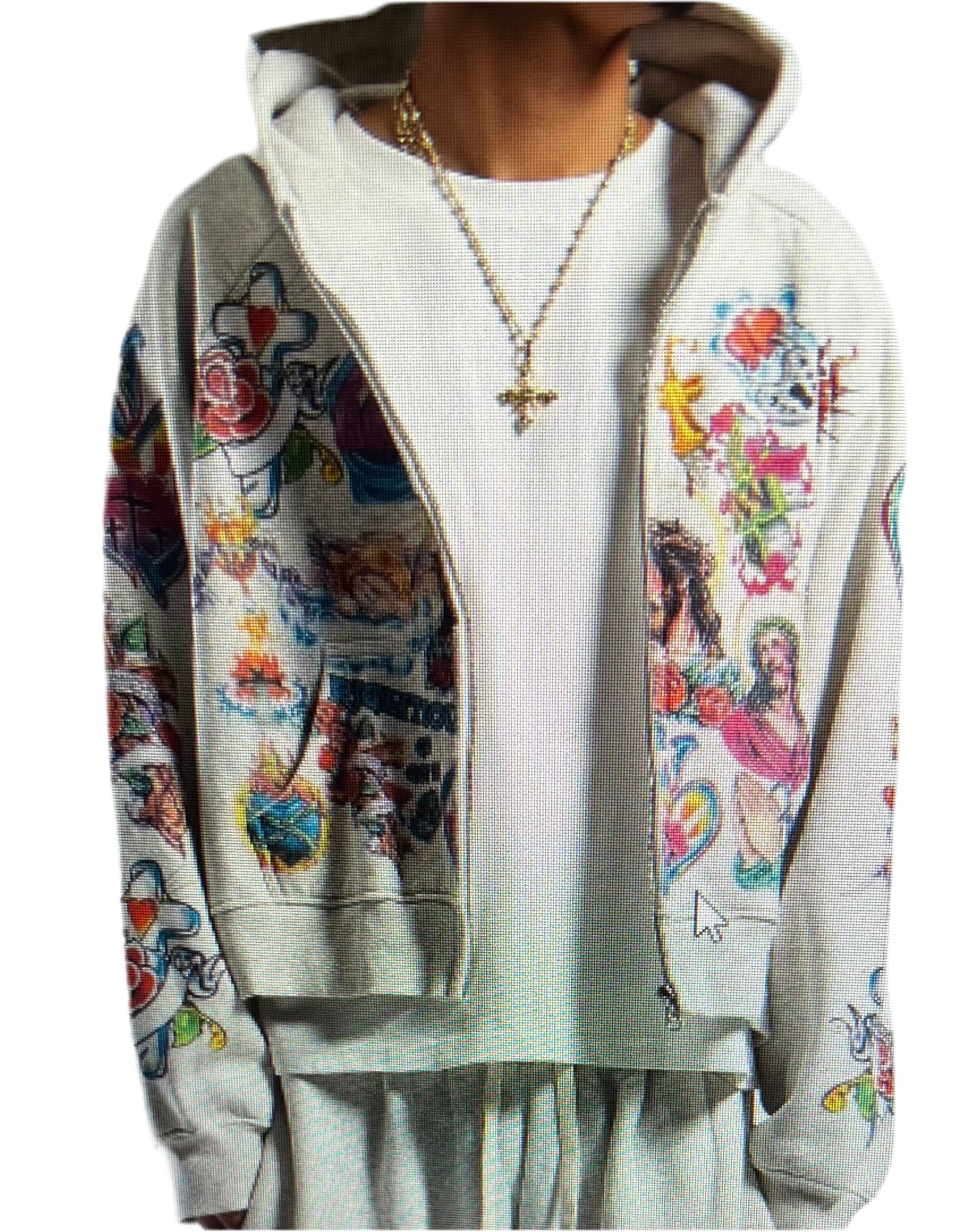
The hoodie grew into a notable point of focus throughout this window. Within street-style circles, a genuinely well-built hoodie isn’t just a layering piece — it’s frequently the garment that proves whether a label’s shape vocabulary actually works in real wear. Dialing in the proportions of a hoodie, from arm length to the hood’s hang to body taper, takes iteration. Repeated releases across this period suggest the label approached this hooded piece as a flagship item that merited fine-tuning rather than a filler product slotted between standout releases.
When brands grow, this is also the stage at which comparison shopping matters most. Customers comparing a we are righteous purchase against rival brands tend to look at three criteria: how a product is priced, construction quality, and how limited or reproducible a given release is. Brands that mismanage growth usually trip up in one of these three spots — either hiking prices without backing it up in materials, or cutting corners on quality to reach bigger production numbers. Its staying power within the present catalog suggests it handled this tradeoff with reasonable skill, though item-by-item feedback should always be checked against the specific item in question rather than presumed the same across the whole range.
Mid-Period Output: Cementing and Togetherness
Somewhere in the middle of any brand’s life cycle, growth slows just enough that the label can focus on reinforcing what already works. This is the consolidation phase, and for We Are Righteous it appears to be marked by refinement of existing silhouettes rather than constant reinvention. Restocks of proven pieces, subtle updates to fits based on customer feedback, and a tighter release calendar all point to a brand settling into an identity rather than chasing every micro-trend in streetwear.
In this phase, fan and customer participation is critically important. Outlasting the first rounds of buzz generally stems from a authentic clothing brand having built actual repeat buyers, not merely first-time hype purchasers. It’s returning customers who give thorough reviews, call for wider size offerings, and practically help engineer the following version of a garment via the input from reviews and return patterns. People looking in from the outside have no visibility into such a feedback cycle, yet it shows up indirectly in the way a catalog develops over several seasons.
It’s also worth flagging to note that this consolidating phase shouldn’t be confused with stagnation. Brands going through this period often run low-key experiments — piloting a new fabric weight, adjusting the fit block, or introducing a limited-run colorway — without turning it into the centerpiece of a marketing push. Such incremental tests pile up, and by the time a brand reaches its next noticeable growth phase, the groundwork has already been laid. This pattern is common enough across independent labels that it’s a reasonable lens for interpreting the middle years of any streetwear timeline, We Are Righteous included.
The Brand’s Current Standing Heading Into 2026
In an industry where most labels launched in the same window have either pivoted entirely or disappeared, We Are Righteous, heading into 2026, holds a spot that plenty chase but rarely attain: a distinct presence in streetwear communities that doesn’t require constant reinvention to stay relevant. The brand’s continued presence in conversations about righteous clothing suggests durability rather than a passing spike — a notable one indeed.
Current shoppers researching a we are righteous review in 2026 are likely to find more organized, in-depth commentary than in the brand’s earlier years, simply because there’s a deeper well of past purchases to draw on. This maturity benefits new customers directly. Instead of guessing at fit or fabric behavior from a single product photo, buyers can check reviews spanning multiple seasons on comparable silhouettes, which reduces the risk tied to buying apparel online sight unseen.
Looking ahead, the brand’s trajectory suggests continued focus on core categories rather than reckless expansion into unrelated categories. That’s a sound approach for preserving quality control, and it matches what devoted fans of a righteous clothing label tend to want most: consistency they can rely on season after season, rather than a constant stream of unrelated products diluting the label’s focus.
Brand Phases Compared: A Handy Summary
Meant as a reference point for tracking how the label’s focus changed over time rather than a definitive corporate record, the chart that follows summarizes the general characteristics of each phase discussed above.
| Phase | Core Priority | Range Size | Customer Feedback Pattern |
|---|---|---|---|
| Early Identity | Building the core message and fit | Limited, closely curated | Word-of-mouth, niche community discovery |
| Scaling Stage | Expanding categories, fine-tuning the hoodie silhouette | Expanding, multi-category | Cross-shopping behavior, early public feedback |
| Stabilizing Phase | Refining proven pieces, restocks | Consistent, punctuated by select limited drops | Ongoing feedback from repeat buyers |
| Current Standing in 2026 | Upholding consistency and brand identity | Seasoned and focused | Feedback that spans several seasons |
The Takeaway From This Timeline for New Customers
If you’re new to the brand and trying to decide whether a purchase is worth it, the timeline itself offers a useful signal. A label that has moved through identity-building, expansion, and consolidation phases without collapsing or pivoting entirely has, at minimum, proven it can survive the pressures that kill most independent apparel brands within a few seasons. That’s not a guarantee of satisfaction with any individual item, but it does suggest the brand has systems in place for quality control and customer feedback that newer labels haven’t had time to develop.
Before buying, it’s nevertheless worth reviewing the latest sizing info, material listings, and the exact product listings for yourself, since such specifics change with each release and should never be presumed based on brand history alone. The timeline explains why the brand behaves the way it does; it doesn’t replace checking the specifics of the exact hoodie, tee, or jacket you’re considering. Take this timeline as useful context, then match it against the genuine product page information prior to deciding.
Label staying power in streetwear, in the end, is built not through flash but through unglamorous consistency: restocking what works, listening to fit feedback, and resisting the urge to chase every passing trend. That appears to be the connective thread tying together every stage of the We Are Righteous story, from its first early limited releases to its now more mature , more established catalog heading further into 2026.